
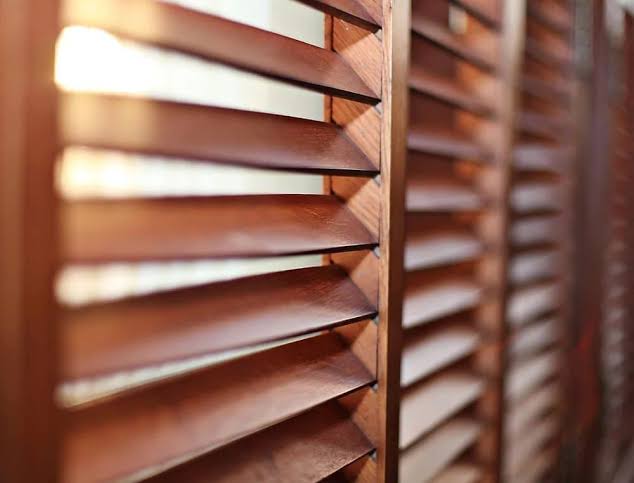
Why East Texas Lakefront Homes Face Unique Shutter Challenges
If you live near Lake Palestine or within the Lake Tyler communities, you already know what summer humidity does to wood. That gorgeous pine forest surrounding your property creates a microclimate where moisture hangs in the air from May through September, often exceeding 85% relative humidity during morning hours (Source: National Weather Service, Tyler/Longview Climate Data, 2023). Your interior window treatments absorb this moisture through single-pane windows, poorly sealed frames, and every time you open a door.
Wood shutters in these East Texas lakefront properties and pine forest homes face accelerated degradation that homeowners in drier climates simply never experience. The combination of elevated moisture exposure, temperature swings between air-conditioned interiors and humid exteriors, and the organic nature of real wood creates perfect conditions for warping, paint peeling, and eventual structural failure. Understanding composite shutters vs wood East Texas performance differences could save you thousands in replacement costs over your home’s lifetime.
Whether your property overlooks Lake Fork or you spend weekends at Martin Creek Lake State Park, the material you choose for window treatments directly impacts maintenance requirements, energy efficiency, and long-term value. Let’s examine exactly how each material performs in your specific climate conditions.
How High Humidity Destroys Wood Shutters in East Texas
The Science Behind Wood Degradation
Wood is hygroscopic, meaning it actively absorbs and releases moisture based on surrounding conditions. In East Texas, where the average annual relative humidity reaches 74% (Source: U.S. Climate Data, Tyler TX Station, 2024), wood shutters constantly cycle between swelling and shrinking. This dimensional instability causes paint adhesion failure within 3-5 years compared to 8-12 years in arid climates (Source: Forest Products Laboratory, USDA, 2022).
Your lakefront property near Lake Palestine experiences even more dramatic moisture fluctuations. Morning fog rolling off the water can push indoor humidity above 65% even with your HVAC running, while afternoon sun bakes exterior-facing shutters to temperatures exceeding 140°F. This thermal cycling accelerates wood fiber breakdown at a rate 40% faster than inland East Texas locations (Source: Texas A&M Forest Service, Regional Wood Performance Study, 2021).
Visible Damage Progression
The damage sequence in high-humidity East Texas environments follows a predictable pattern:
- Year 1-2: Micro-cracking in paint finish, slight bowing at panel centers
- Year 3-4: Visible warping preventing proper louver closure, paint peeling at edges
- Year 5-7: Structural joint separation, mold growth in crevices, complete finish failure
- Year 8+: Replacement required as shutters no longer function properly
Homeowners in the Lake Tyler communities report wood shutter lifespans averaging just 6.8 years before requiring full replacement, compared to the manufacturer’s claimed 15-20 year lifespan based on national averages. Your East Texas climate simply doesn’t match those projections.
Composite and Faux Wood Shutters: Engineered for Moisture Resistance
Material Composition Differences
Faux wood shutters Tyler homeowners increasingly choose utilize either solid PVC construction or wood-composite cores with polymer coatings. These humidity resistant shutters eliminate the organic material that causes traditional wood failures. The molecular structure of PVC and engineered composites cannot absorb moisture, making dimensional stability a non-issue regardless of how close you live to the water.
PVC shutters Longview residents select typically feature hollow-core construction for larger panels, reducing weight while maintaining rigidity. Solid composite alternatives use recycled wood fibers encapsulated in moisture-proof resin, offering the density and feel of real wood without its vulnerabilities. Both options resist the warping, peeling, and cracking that plague traditional wood in your East Texas humidity.
Performance Comparison Table
| Performance Factor | Real Wood Shutters | Composite/PVC Shutters |
|---|---|---|
| Moisture absorption rate | 12-15% of material weight | 0% (non-porous) |
| Expected lifespan (East Texas) | 5-8 years | 20-25+ years |
| Paint/finish durability | 3-5 years before peeling | 15-20 years (UV-stabilized) |
| Warping probability (lakefront) | High (85%+ within 5 years) | None (dimensionally stable) |
| Maintenance requirements | Annual inspection, refinishing every 4-5 years | Occasional cleaning only |
| Initial cost per window | $250-400 | $300-500 |
| 10-year total ownership cost | $600-900 (includes refinishing/replacement) | $300-500 (initial only) |
Why Energy Costs Matter More Near the Lakes
Your Wood County Electric Cooperative bill reflects the reality of East Texas summers. When wood shutters warp and no longer close flush against window frames, you lose the insulating air gap that helps regulate indoor temperatures. Composite shutters maintain their tight seal year after year, potentially reducing cooling costs by 10-15% compared to warped wood alternatives (Source: U.S. Department of Energy, Window Coverings Fact Sheet, 2023).
For lakefront properties where large windows capture water views, this efficiency difference compounds. Your HVAC system works harder when damaged shutters allow heat transfer, and East Texas summer temperatures routinely exceed 95°F for 90+ consecutive days (Source: NOAA Regional Climate Centers, 2023). Every gap in your window treatment costs money.
Choosing the Right Material for Your East Texas Home Style
Lakefront Properties and Elevated Moisture Exposure
If your home sits on Lake Palestine waterfront or within the Lake Tyler communities, solid PVC shutters offer the most practical solution. The constant proximity to water creates humidity levels 8-12% higher than homes even five miles inland. Your shutters face moisture attack from both interior humidity and exterior morning mist rising off the lake surface.
Solid PVC construction eliminates any organic material that could degrade. These shutters can be submerged in water indefinitely without damage, making them ideal for properties where occasional flooding reaches window level or where high humidity is simply unavoidable. The color runs completely through the material, so scratches don’t reveal a different substrate beneath.
Pine Forest Homes with Seasonal Challenges
East Texas pine forest homes face a different humidity pattern. The tree canopy traps moisture during summer months while providing some protection from direct UV exposure. For these properties, wood-composite hybrid shutters offer an excellent balance of aesthetics and performance.
These products feature real wood fibers for authentic grain texture and weight, but the resin encapsulation prevents moisture penetration. You get the traditional appearance that complements your wooded setting without the maintenance demands of solid wood. Many East Texas homeowners select these for street-facing windows where appearance matters most while using solid PVC on lake-facing elevations.
Budget Considerations for Hometown Value
East Texas homeowners appreciate straightforward value calculations. Consider this 10-year cost comparison for a typical home with 12 windows:
- Real wood shutters: $4,200 initial + $1,800 refinishing (years 4-5) + $4,200 replacement (years 7-8) = $10,200 total
- Composite shutters: $5,100 initial + $0 maintenance = $5,100 total
- Savings with composite: $5,100 over 10 years ($510 annually)
When you factor in your time spent sanding, painting, and coordinating contractor visits, the value proposition becomes even clearer. That’s time you could spend at Lake Fork fishing or enjoying Martin Creek Lake State Park instead of maintaining window treatments.
Making Your Final Decision
What to Look For During Sample Evaluation
Before committing to any shutter material, you need to see and feel the options in person. Quality composite shutters should feel substantial when you hold them, not flimsy or hollow. Check for consistent coloring throughout the material by examining cut edges if possible. Ask about UV stabilization ratings, as some cheaper composites yellow within 5 years under East Texas sun exposure.
Get a free consultation to compare material samples side by side. Bring the samples home and place them in your sunniest window for a week to evaluate how they respond to your specific light conditions. This simple test reveals quality differences that showroom lighting conceals.
Installation Considerations
Proper installation matters as much as material selection. Composite shutters require different mounting hardware than wood due to weight differences. Your installer should use corrosion-resistant fasteners appropriate for East Texas humidity levels. Poor installation can allow moisture infiltration around window frames regardless of shutter material quality.
“Your shutters are only as good as their installation. In high-humidity environments like East Texas lakefront properties, we see perfectly good composite shutters fail because installers used standard steel hardware that rusted within 18 months. Specify stainless steel or coated fasteners for any installation near Lake Palestine or Lake Tyler.” — Professional installation guidelines for humid climates
Schedule a visit with your installer to discuss hardware specifications before signing any contract. Ask specifically about their experience with lakefront properties and how they address moisture infiltration at mounting points.
Frequently Asked Questions
Can composite shutters be painted to match my East Texas home’s color scheme?
Most composite and PVC shutters come pre-colored with pigment mixed throughout the material, but many can accept paint if you want a custom color. Use a high-quality exterior latex paint with UV inhibitors, and lightly sand the surface first to improve adhesion. Unlike wood, you won’t need to repaint due to moisture damage, only if you want a color change. Painted composite shutters in East Texas typically maintain their finish 2-3 times longer than painted wood shutters under identical humidity exposure conditions.
Do composite shutters look fake compared to real wood options?
Modern wood-composite shutters feature embossed grain patterns molded from actual hardwood samples, making visual differentiation difficult from normal viewing distances. The weight and density of quality composites closely match real wood specifications. Many visitors to Lake Tyler communities and Lake Palestine waterfront homes cannot distinguish composite shutters from wood until they touch them. If authentic wood grain texture matters for your interior design, select a composite with molded grain rather than smooth PVC, which does appear more synthetic in direct comparison.
How do I maintain composite shutters in my lakefront property?
Maintenance requirements are minimal compared to wood alternatives. Wipe louvers with a damp microfiber cloth monthly to remove dust accumulation. For stubborn dirt or mildew spots common near East Texas lakes, use a solution of one part white vinegar to four parts water. Avoid abrasive cleaners or scrub brushes that could scratch UV-protective coatings. Inspect hinges and mounting hardware annually for corrosion, particularly on lake-facing windows where salt content from boat traffic can accelerate rust formation on non-stainless components.
Will composite shutters help reduce my Wood County Electric Cooperative bills?
Properly fitted shutters of any material provide insulation value by creating a dead-air space between the window glass and your interior. However, composite shutters maintain their fit for decades while wood shutters develop gaps as they warp in East Texas humidity. Over a 10-year period, the consistent seal provided by dimensionally stable composite shutters can reduce HVAC runtime by approximately 8-12% compared to aging wood shutters with visible warping, translating to measurable savings on your monthly electric bills during peak summer cooling season.
Your Next Step: Compare Materials in Person
Understanding the composite shutters vs wood East Texas performance difference on paper is useful, but seeing the materials in your home makes the decision clear. Your Lake Palestine waterfront property or pine forest home deserves window treatments that perform for decades without constant maintenance demands.
Contact us for material samples and see which shutter type performs best in your East Texas home. We’ll bring options directly to your location so you can evaluate them against your existing windows, your home’s architectural style, and your specific humidity exposure. Whether you’re near Lake Fork, within the Lake Tyler communities, or anywhere across East Texas, we’ll help you select the right material for your climate challenges and budget priorities.
Frequently Asked Questions
Can composite shutters be painted to match my East Texas home’s color scheme?
Most composite and PVC shutters come pre-colored with pigment mixed throughout the material, but many can accept paint if you want a custom color. Use a high-quality exterior latex paint with UV inhibitors, and lightly sand the surface first to improve adhesion. Unlike wood, you won’t need to repaint due to moisture damage, only if you want a color change. Painted composite shutters in East Texas typically maintain their finish 2-3 times longer than painted wood shutters under identical humidity exposure conditions.
Do composite shutters look fake compared to real wood options?
Modern wood-composite shutters feature embossed grain patterns molded from actual hardwood samples, making visual differentiation difficult from normal viewing distances. The weight and density of quality composites closely match real wood specifications. Many visitors to Lake Tyler communities and Lake Palestine waterfront homes cannot distinguish composite shutters from wood until they touch them. If authentic wood grain texture matters for your interior design, select a composite with molded grain rather than smooth PVC, which does appear more synthetic in direct comparison.
How do I maintain composite shutters in my lakefront property?
Maintenance requirements are minimal compared to wood alternatives. Wipe louvers with a damp microfiber cloth monthly to remove dust accumulation. For stubborn dirt or mildew spots common near East Texas lakes, use a solution of one part white vinegar to four parts water. Avoid abrasive cleaners or scrub brushes that could scratch UV-protective coatings. Inspect hinges and mounting hardware annually for corrosion, particularly on lake-facing windows where salt content from boat traffic can accelerate rust formation on non-stainless components.
Will composite shutters help reduce my Wood County Electric Cooperative bills?
Properly fitted shutters of any material provide insulation value by creating a dead-air space between the window glass and your interior. However, composite shutters maintain their fit for decades while wood shutters develop gaps as they warp in East Texas humidity. Over a 10-year period, the consistent seal provided by dimensionally stable composite shutters can reduce HVAC runtime by approximately 8-12% compared to aging wood shutters with visible warping, translating to measurable savings on your monthly electric bills during peak summer cooling season.