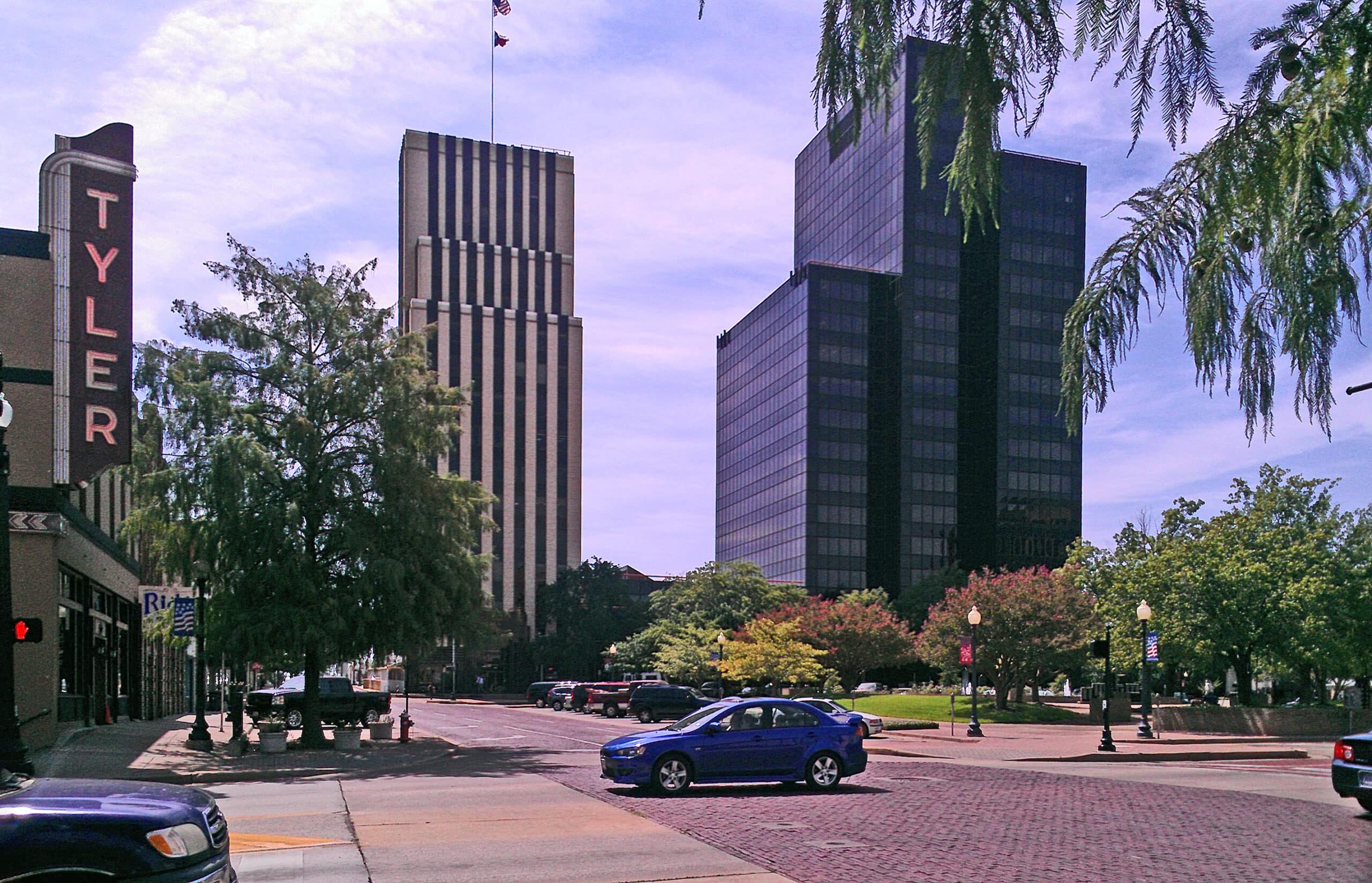
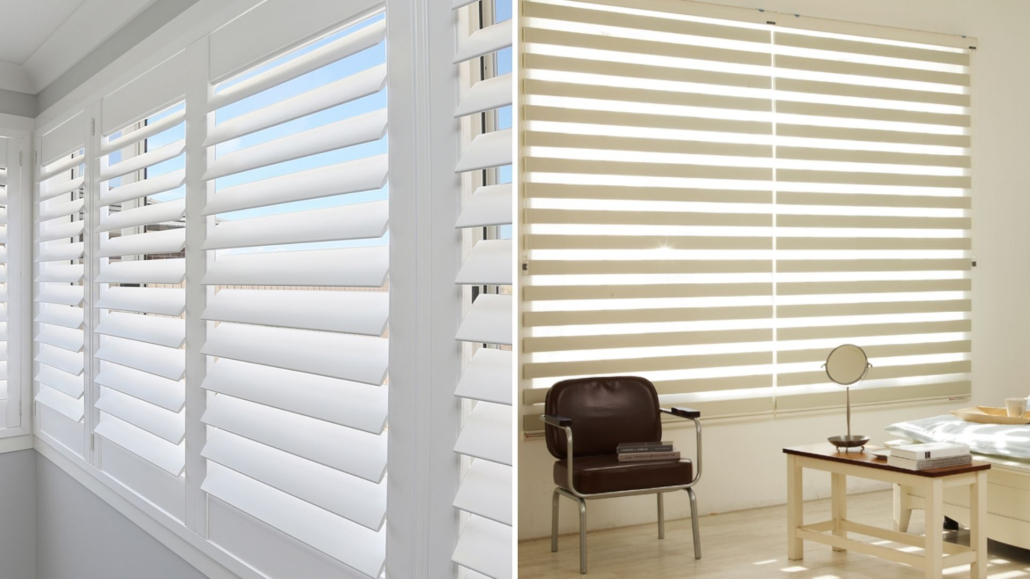
That sticky 70%+ humidity clinging to your South Broadway home isn’t just uncomfortable—it’s silently destroying inferior window treatments right now. East Texas homeowners watch standard wood blinds warp within 18 months, their slats bowing like wet cardboard while morning condensation pools on windowsills. Before you invest another dollar in window coverings that can’t handle our regional conditions, you need the real numbers on plantation shutters vs blinds East Texas costs, durability, and value retention for 2026.
Whether you’re updating a Southern traditional beauty near the Brick Streets District or finishing a modern farmhouse build in Chapel Hill, your window treatment choice directly impacts your Southwestern Electric Power Company bills, your home’s resale value, and how many years pass before you’re shopping for replacements again.
Why East Texas Humidity Changes Everything About Window Treatment Selection
Standard window treatment advice doesn’t apply here. Our region averages humidity levels exceeding 70% for much of the year (Source: National Weather Service Shreveport Office, 2024), creating conditions that accelerate material degradation in products designed for drier climates. That gorgeous basswood blind you saw in a magazine? It was photographed in Arizona, not Tyler.
Material Failures We See Constantly in Local Homes
Your neighbor’s peeling faux-wood blinds near Discovery Science Place tell the whole story. Composite materials marketed as “moisture-resistant” often contain MDF cores that swell when humidity penetrates micro-cracks in the laminate surface. Within two East Texas summers, slats stick together, tilt mechanisms jam, and that “lifetime warranty” suddenly requires you to ship the entire product back to a manufacturer in another state.
- Hollow vinyl blinds — Crack in temperature swings between our 35°F winter mornings and 95°F+ summer afternoons
- Untreated wood blinds — Absorb ambient moisture and warp within 12-24 months
- Aluminum mini-blinds — Conduct heat, increasing your SWEPCO cooling costs by up to 25% (Source: U.S. Department of Energy, 2023)
- Fabric cellular shades — Trap humidity, developing mold in East Texas bathrooms and kitchens
What Actually Survives Our Climate
The window treatments that thrive in East Texas share specific engineering characteristics. You need solid polymer compounds, marine-grade finishes, or kiln-dried hardwoods with multi-layer sealants. Plantation shutters manufactured with these specifications have documented 20+ year lifespans in Gulf Coast humidity zones (Source: Window Covering Manufacturers Association, 2024), while properly specified blinds can deliver 8-12 years of reliable service.
2026 Cost Comparison: Plantation Shutters vs Blinds for East Texas Homes
Let’s cut through vague “starting at” pricing and examine what you’ll actually pay for quality window treatments sized for the expansive front-facing windows common in Longview and Tyler’s Southern traditional architecture. These figures reflect East Texas market pricing as of early 2026, including professional measurement and installation.
| Window Treatment Type | Cost Per Window (36″x60″) | Expected Lifespan | Annual Cost |
|---|---|---|---|
| Composite Plantation Shutters | $350-$550 | 20-25 years | $17-$28 |
| Hardwood Plantation Shutters | $450-$750 | 25-30+ years | $15-$30 |
| Faux-Wood Blinds (Quality) | $85-$180 | 5-8 years | $11-$36 |
| Real Wood Blinds (Sealed) | $150-$300 | 8-12 years | $13-$38 |
| Aluminum Blinds | $45-$120 | 3-6 years | $8-$40 |
The True Shutter Cost Comparison Tyler Homeowners Need
That table reveals something counterintuitive: plantation shutters price East Texas buyers pay upfront actually delivers lower annual costs than cheap blinds that require replacement every few years. A $500 composite shutter lasting 25 years costs you $20 annually. A $100 faux-wood blind replaced every 5 years costs you $20 annually—but that’s before accounting for the three additional installation appointments, the disposal hassle, and the weeks you spend with bare windows waiting for replacements.
For Chapel Hill homeowners with 12+ windows in a modern farmhouse build, the math gets even more compelling. Your total shutter cost comparison Tyler area buyers should consider includes energy savings that compound annually.
Energy Impact on Your SWEPCO Bills
Plantation shutters provide an R-value between 3.5-4.5, reducing heat transfer through your windows by up to 45% compared to uncovered glass (Source: U.S. Department of Energy, 2023). Standard blinds deliver R-values between 1.5-2.5. Over a year of East Texas summers where air conditioning accounts for 27% of residential electricity use (Source: U.S. Energy Information Administration, 2024), that difference translates to measurable savings on your Southwestern Electric Power Company statement.
“Properly fitted interior shutters can reduce summer heat gain through windows by 45% when closed during peak sun hours, making them one of the most effective passive cooling strategies available to homeowners.”
— U.S. Department of Energy Weatherization Guidelines, 2023
Style Considerations for Southern Traditional and Modern Farmhouse Builds
Your window treatments need to complement the architectural language of your home. The best window treatments Longview homeowners install honor their home’s character while solving the practical challenges of our climate.
Southern Traditional Homes: Preserving Curb Appeal
Those stately South Broadway properties with their symmetrical facades and tall double-hung windows demand window treatments visible from the street. Plantation shutters with 3.5″ or 4.5″ louvers create the shadow lines and depth that buyers expect in traditional architecture. The uniform appearance from exterior viewing adds documented value—homes with consistent, high-quality window treatments sell for 3-4% more than comparable properties with mismatched or builder-grade coverings (Source: National Association of Realtors, 2024).
Your neighbors walking past the Brick Streets District notice when window treatments look cohesive versus cobbled together. That hometown value matters here.
Modern Farmhouse Builds: Clean Lines, Maximum Light
Chapel Hill’s newer constructions emphasize natural light through oversized windows. Here, the choice between plantation shutters vs blinds affects your daily living experience. Shutters with wider 4.5″ louvers maximize your view while maintaining privacy control. When opened, they frame your windows like architectural trim. When closed partially, they filter that intense East Texas afternoon sun without darkening your great room.
- Wide louver shutters (4.5″) — Ideal for modern farmhouse aesthetics, maximizing light when open
- Traditional louver shutters (2.5″-3.5″) — Better proportions for smaller, divided-light windows in traditional homes
- 2″ blinds — Budget-friendly option for secondary bedrooms, laundry rooms, and closets
- Vertical blinds — Suitable for sliding doors but outdated appearance for primary living spaces
Making Your Decision: Which Investment Makes Sense for Your Home
After walking through hundreds of East Texas homes from Tyler to Longview, certain patterns emerge. Your right answer depends on where you are in homeownership and what you prioritize.
Choose Plantation Shutters When:
You plan to stay in your home 7+ years, maximizing the long-term value of your investment. You want to reduce your Southwestern Electric Power Company bills through better insulation. Your home features the expansive front-facing windows common to East Texas architecture where window treatments are visible from the street. You value durability and refuse to replace warped, humidity-damaged coverings every few years.
Choose Quality Blinds When:
You’re in a transitional living situation or rental property. Your budget requires spreading window treatment purchases across multiple years. You’re covering secondary spaces like closets, utility rooms, or guest bedrooms where longevity matters less. You prefer the ability to fully retract your window covering into a compact headrail.
The Hybrid Approach We Recommend
Many East Texas homeowners find the smartest strategy combines both: plantation shutters on street-facing windows and primary living areas, with quality blinds in private spaces. This approach delivers maximum curb appeal and energy efficiency where it matters while respecting your budget.
Ready to see the difference quality makes? Schedule a visit from our window treatment specialists who understand exactly what materials survive our humidity, what styles honor your home’s architecture, and what pricing makes sense for your project scope.
Frequently Asked Questions About Window Treatments in East Texas
How Long Do Plantation Shutters Really Last in High-Humidity Climates?
Composite and properly sealed hardwood plantation shutters routinely exceed 20 years in East Texas installations when manufactured with humidity-resistant specifications. We’ve removed shutters from 1980s Tyler homes during renovations that remained fully functional after 35+ years. The critical factor is material selection at purchase—shutters designed for coastal and Gulf region humidity outperform those engineered for arid Western markets.
Can I Install Plantation Shutters Myself to Save Money?
DIY shutter installation typically voids manufacturer warranties and frequently results in operational problems. Shutters require precise frame measurements within 1/16″ tolerance, proper shimming to account for out-of-square window openings common in older South Broadway homes, and correct hardware placement for smooth operation. Professional installation adds $75-150 per window but prevents the binding, gapping, and premature wear that plague self-installed units.
What Warranty Should I Expect on Quality Window Treatments?
Reputable plantation shutters price East Texas suppliers include lifetime limited warranties covering material defects and finish failure. Quality blind manufacturers typically offer 5-10 year warranties. Always verify warranty terms address humidity-related issues specifically—some national brands exclude “environmental damage” using language that could deny claims for moisture-related warping in our climate.
Get your complimentary side-by-side consultation today. Our team will measure your windows, show you material samples tested in East Texas conditions, and provide a customized quote for both plantation shutters and blinds so you can compare options with real numbers for your specific home. Request your free quote now.
Frequently Asked Questions
How long do plantation shutters really last in high-humidity climates?
Composite and properly sealed hardwood plantation shutters routinely exceed 20 years in East Texas installations when manufactured with humidity-resistant specifications. We’ve removed shutters from 1980s Tyler homes during renovations that remained fully functional after 35+ years. The critical factor is material selection at purchase—shutters designed for coastal and Gulf region humidity outperform those engineered for arid Western markets.
Can I install plantation shutters myself to save money?
DIY shutter installation typically voids manufacturer warranties and frequently results in operational problems. Shutters require precise frame measurements within 1/16-inch tolerance, proper shimming to account for out-of-square window openings common in older South Broadway homes, and correct hardware placement for smooth operation. Professional installation adds $75-150 per window but prevents the binding, gapping, and premature wear that plague self-installed units.
What warranty should I expect on quality window treatments?
Reputable plantation shutter suppliers include lifetime limited warranties covering material defects and finish failure. Quality blind manufacturers typically offer 5-10 year warranties. Always verify warranty terms address humidity-related issues specifically—some national brands exclude environmental damage using language that could deny claims for moisture-related warping in our climate.